GLIOBLASTOMA (GBM)
Glioblastoma:
A Critical Unmet Need
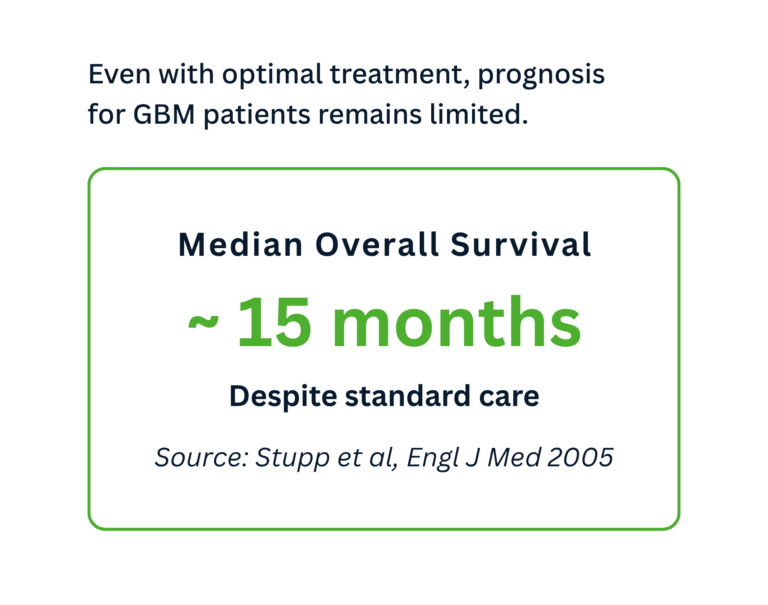
Glioblastoma (GBM) is the most aggressive and lethal primary brain cancer. It is the leading disease-related cause of death in children and adults under 40 in the UK, yet treatment options and survival prospects have changed little in decades.
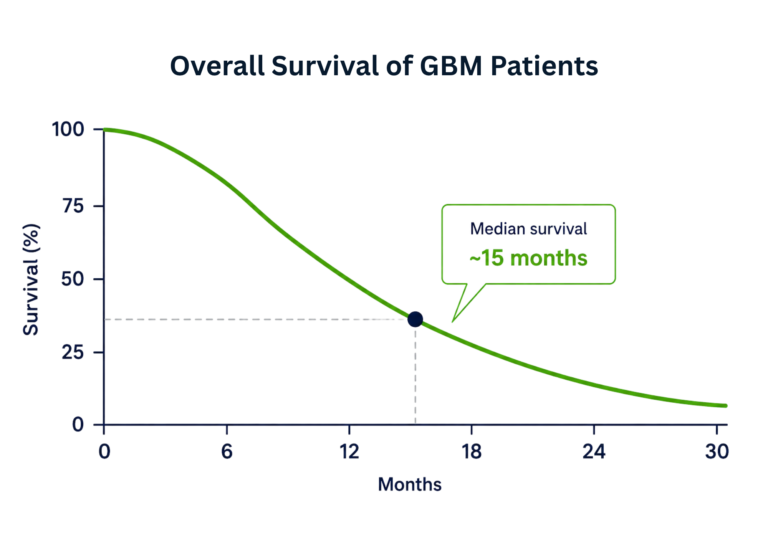
Despite current treatment, average survival remains
only ~15 months.
Why is Glioblastoma difficult to treat?
GBM presents multiple challenges that limit the effectiveness of current therapies.

Blood Brain Barrier
Many systemic therapies struggle to penetrate the brain in sufficient concentrations.

Tumour Heterogeneity
GBM tumours are highly diverse, limiting the effectiveness of single target therapies.

Resistance & Recurrence
Tumours rapidly develop treatment resistance. Recurrence near the original site is common.

Surgical Limitations
Cancer cells infiltrate surrounding brain tissue, making complete surgical removal difficult.

Infiltrative Disease
GBM cells often spread into surrounding brain tissue by the time of diagnosis.
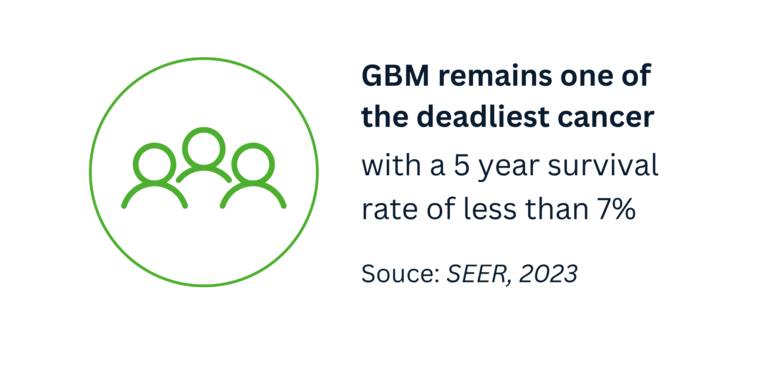
Survival remains poor
Current Standard of Care
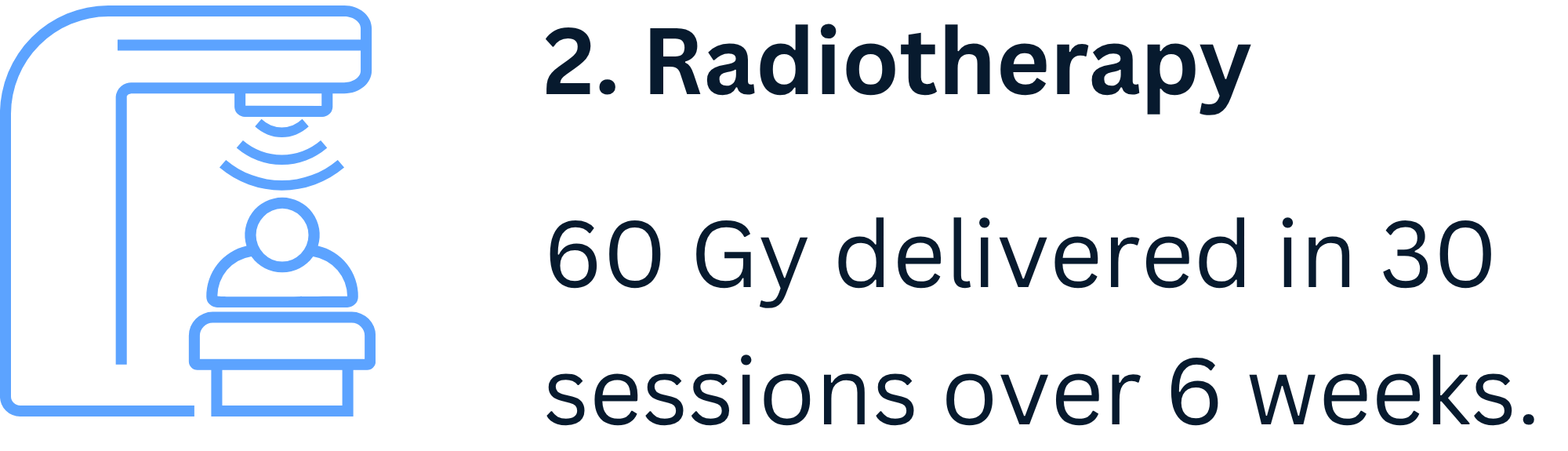
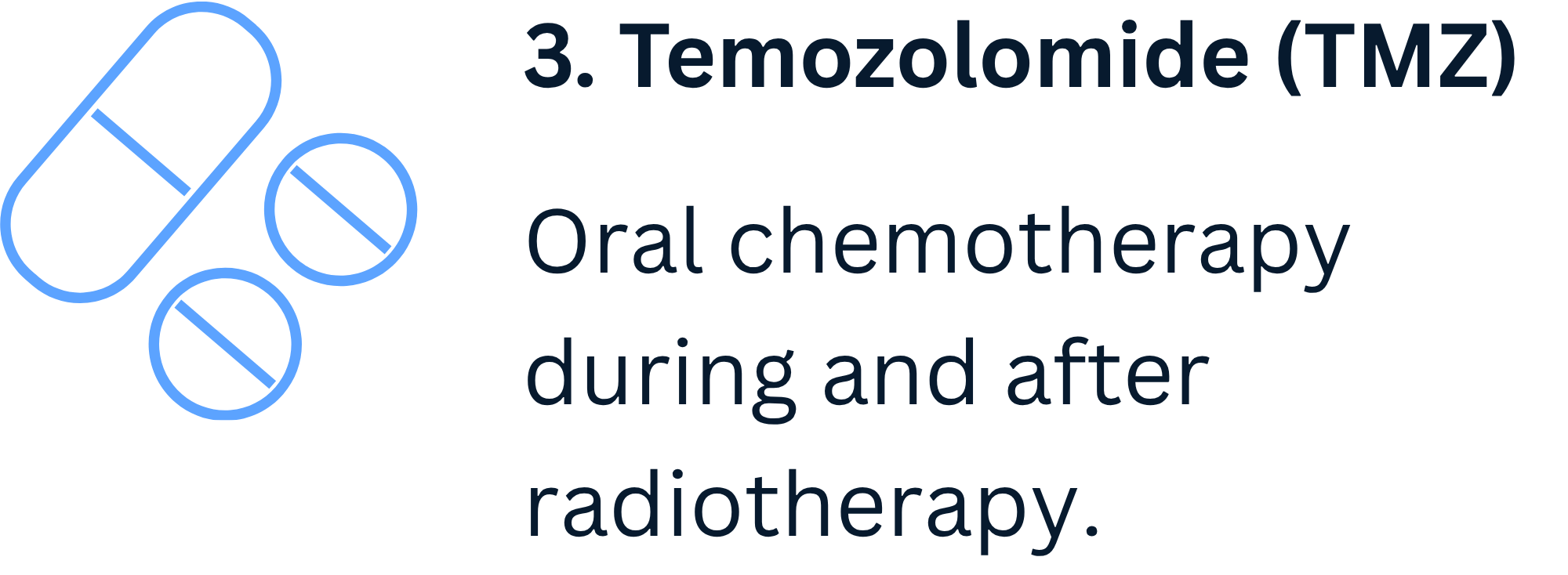
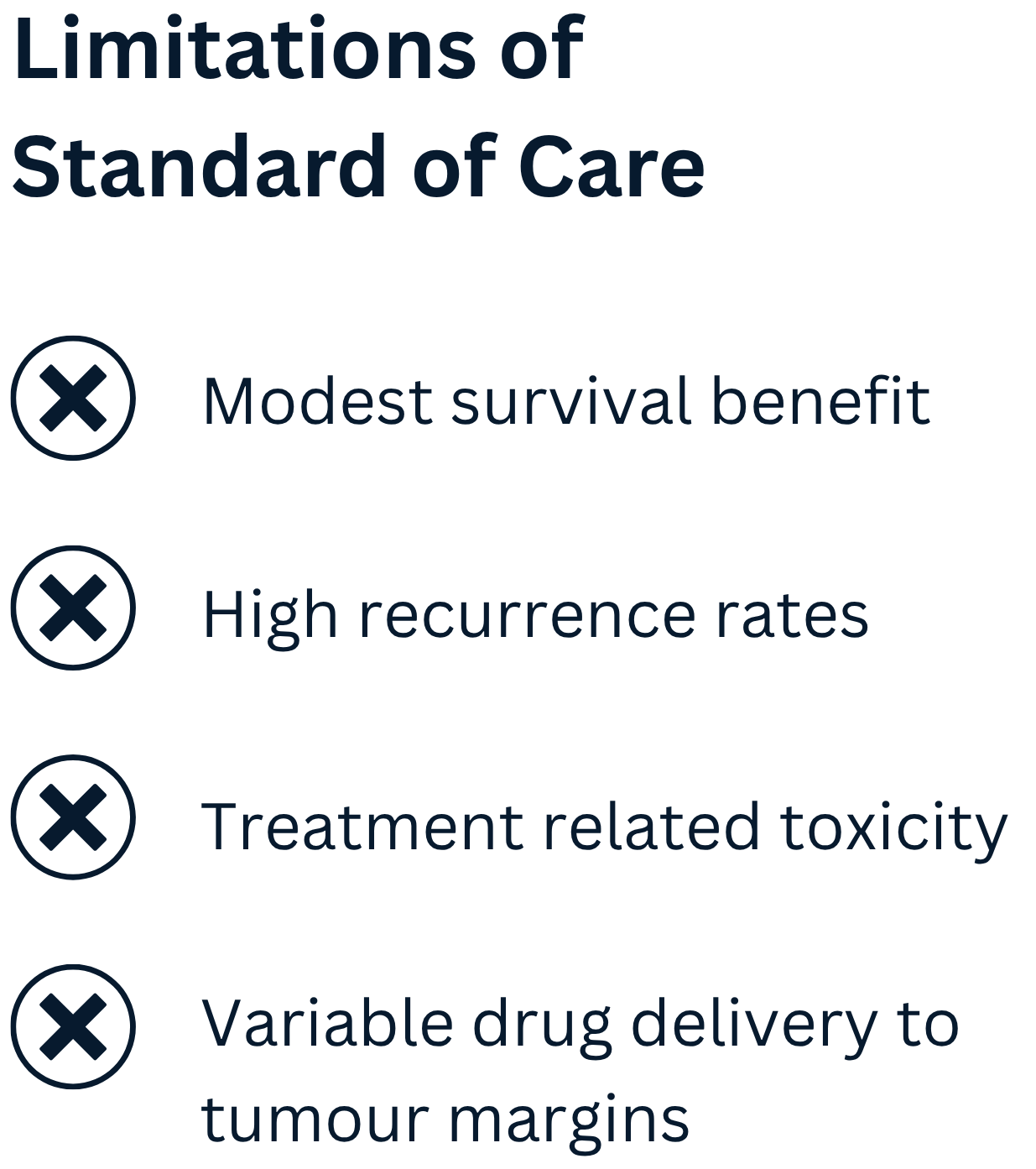
The Stupp Protocol is the established treatment pathway for newly diagnosed glioblastoma.